
Nectar & Honey Atelier
Handcrafted Leather Goods — Bay of Plenty, New ZealandSix months of platform fees and a half-built store. Launched in a few weeks instead: a custom wholesale store with a configurator checkout and Stripe in two currencies, then her own portal to run every order.
A maker back in the studio — and a system that’s hers.- Client Tui Goomes — Nectar & Honey Atelier
- Location Bay of Plenty, New Zealand
- The work Single-product wholesale store (custom one-pager, Stripe checkout) and a custom order portal
- Timeline Store live in July 2026, a few weeks after we made the call. The portal was running her orders before the month was out.
- Platform fees None on the store. Stripe takes its cut only when she sells.
The Client
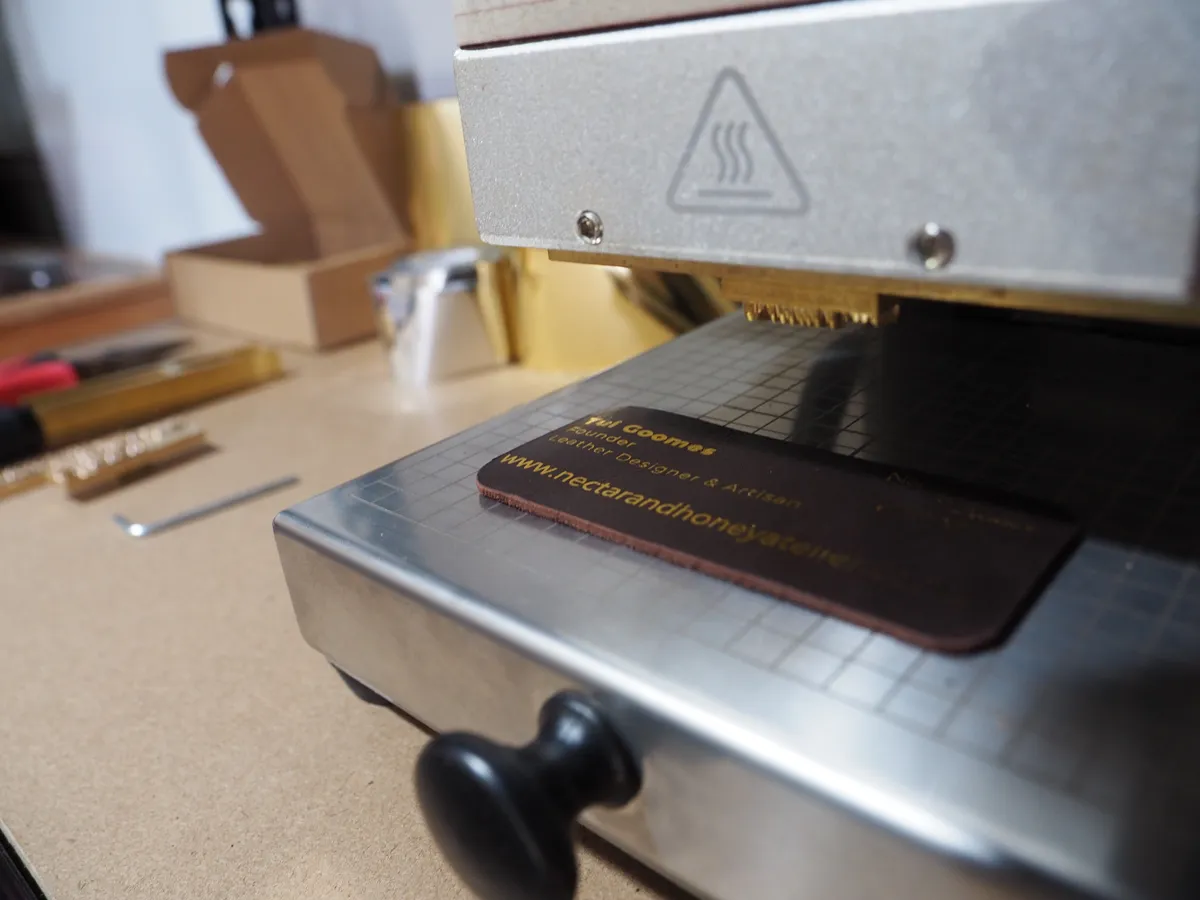
Tui is a leather designer and manufacturer. Her first product line under the Nectar & Honey name is Atelier — handcrafted leather wine carriers for wineries, cellar doors, and people who care how things are made. Every piece is made to order in her Bay of Plenty studio.
She’s a maker through and through. Give her leather and she’ll build you something beautiful. Give her an e-commerce platform and — well, that’s where this story starts.
Full disclosure, because that’s how I operate: Tui’s a friend. That changes one thing about this project, which I’ll get to below. It doesn’t change anything else in this case study.
The Problem
Like a lot of new sellers, Tui signed up for Shopify to launch. The ads make it look like a couple of hours’ work. The reality was different.
Paying, Not Selling
Six-plus months of subscription fees. The store had a title and a hero image — the rest was still the default template. Not a capability problem: every part of the build meant learning another new system, in hours she didn’t have.
Options Shopify Couldn’t Handle
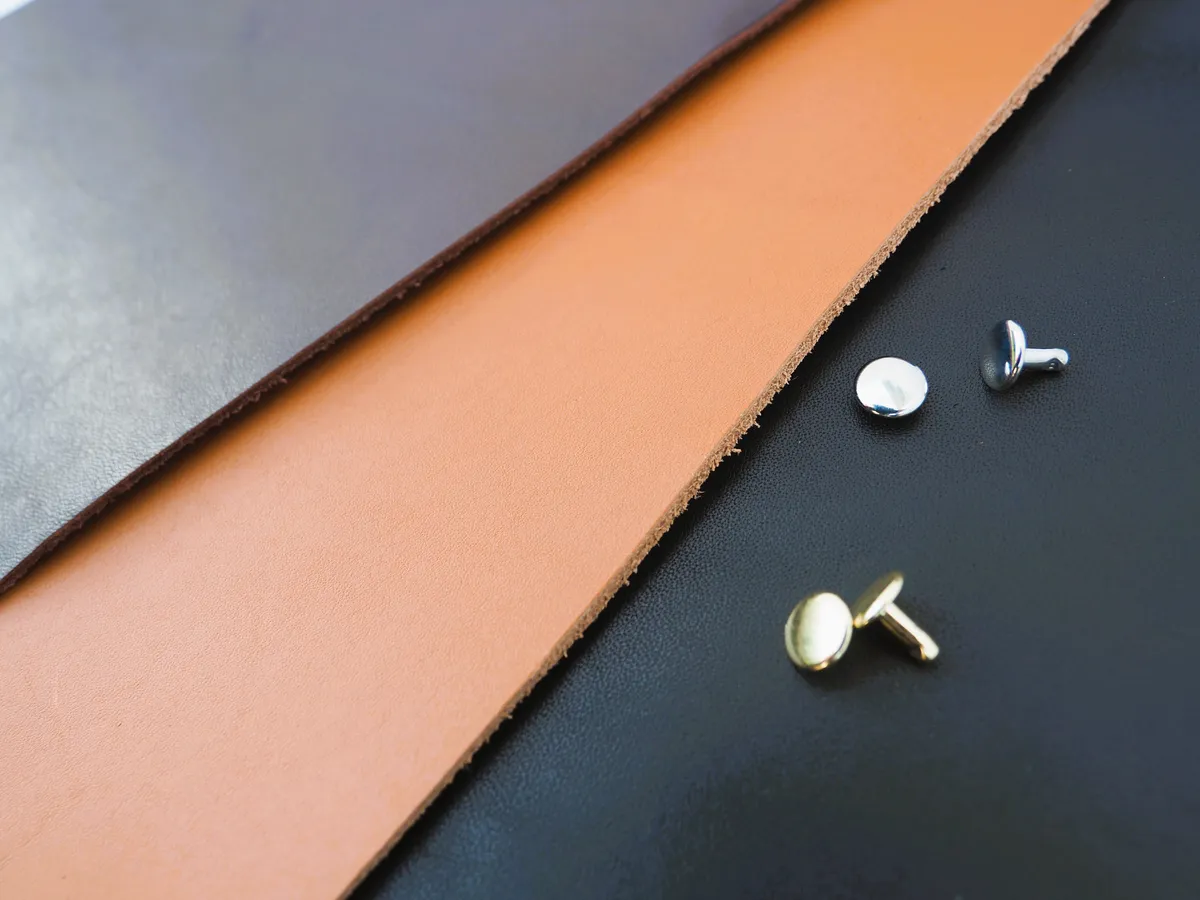
Three leather colours, two rivet finishes, a stamp or custom logo, and a wholesale minimum of ten. Out of the box, Shopify couldn’t handle that without paid apps stacked on top of the subscription.
More Brands, More Subscriptions
Tui plans more product lines under Nectar & Honey — some wholesale, some direct to customers. On Shopify, each new storefront would have meant another subscription.
“She’d rather be in the studio making leather products. I’d rather be on the laptop making the store. So that’s what we did.”
What I Built
-
A custom-coded one-page store
Everything a buyer needs sits on a single page — the craft, the story, how ordering works, and the order form itself.
-
A configurator checkout
A winery picks their leather colour, rivet finish, and logo option, sets a quantity, adds their business name, and heads to checkout. Stripe handles card payment in NZD or AUD — her buyers are on both sides of the Tasman — and wineries that prefer to pay by bank transfer can do that instead. Buyers not ready for a full wholesale order can start with a three-piece sampler pack.
-
Her own order portal
The store launched on the off-the-shelf order tools I was using across my clients at the time. I was already moving clients onto systems they own, so a week after launch we did the same for Tui. Every paid order now lands on a board in her own portal, and she moves it from new, to in production, to shipped. Each move lines up the right customer email — production confirmation, then shipping with a tracking number — and she can read it before it goes. If a buyer chose a custom logo, the portal chases up the logo file so she doesn’t have to. Enquiries land in an inbox in the same place, and an Insights page shows how the month is tracking.
-
Tui’s words, automated
Here’s my favourite part: Tui wrote every one of those emails herself. The “Kia ora” greeting, the made-to-order timeframes, the line about keeping Aotearoa a little more green. The system does the sending. The words are all her. That’s automation done right — automate the mundane, personalise the meaningful.
-
Market sales on the same board
She takes card payments in person with Tap to Pay on her phone, then records the sale in the portal. Online, bank transfer or market stall, every sale ends up in one place.
-
A real handover
There’s a guide inside the portal, written for Tui, so the everyday “how do I…” questions don’t depend on me. When she does want something changed, she asks from inside the portal, the request reaches me with the details attached, and she can see what’s changed since her last visit.

The Honest Bits
Radical transparency cuts both ways, so here’s what wasn’t perfect, and what’s different about this one.
The fee. Because Tui’s a friend, she doesn’t pay me a monthly fee for her portal. That isn’t the norm. A portal like hers runs on a database that has to be hosted and looked after, so for anyone else it comes with a small monthly fee. Every portal is built around one business, so I quote that fee alongside the build, up front, rather than pretending one number fits everyone.
The gap. The portal went in a week after the store launched. For those first few days, orders didn’t get an automatic confirmation email, so I watched Stripe by hand and confirmed orders myself. It worked, but it wasn’t the launch week I’d planned.
The payout. The first payout timing surprised us both. New Stripe accounts hold funds for a few days before they land in the bank. Worth knowing before your first sale, not after.
Where It Landed
- Launched in July 2026 — a few weeks after we made the call, not another six months
- Wholesale ordering live in two currencies, with a low-risk sampler pack for cautious buyers
- Every order, enquiry and market sale in one place she owns, from checkout to shipping notification
- No store platform bill arriving whether she sells or not

Scroll to explore the full page, or visit the live store
It’s been running since July. I won’t show you sales graphs, because those are Tui’s numbers, not mine. What I can show you is a maker who’s back in the studio, with a store and a portal that match how she actually works. If the business grows to where a big platform makes sense — multiple staff, locations, complex distribution — the door is wide open, and everything built so far becomes the baseline rather than the bin.
Honestly, the custom system worked out better than I expected. We didn’t hit a single limitation.
Tech Stack
Built With
- Site Custom-coded, hosted on Vercel
- Payments Stripe Checkout — NZD & AUD, plus bank transfer
- Portal Custom-built — orders board, inbox, email automations, Insights
- Domain Cloudflare — domain & email routing
- Store fees None — Stripe fees only when she sells
Right For
- Makers and creators launching their first product
- Wholesale sellers with configurable products and order minimums
- Anyone paying platform fees on a store that isn’t selling yet
- Makers whose orders live across inboxes, spreadsheets and sticky notes
If This Sounds Familiar
Paying for a store that isn’t selling yet is one of the most common traps in small business — and it’s the platform marketing that sets it, not your ability. What you’ve built so far isn’t wasted. It only becomes wasted if it stays parked.
I now offer the store side as a single-product store build. Tell me where yours is up to and I’ll give you a straight answer on the fastest path to your first sale — book a free 15-minute chat, or read what an online store actually costs in Australia.
If it’s the order juggling that sounds familiar, tell me how orders reach you now. I’ll tell you honestly whether you need a portal of your own, or whether a better spreadsheet would do.
Want a Store Like This?
I build single-product stores for small businesses in Perth, across Australia, and beyond. Let's have a quick chat about what you're selling. I'll give you a clear, fixed price: no pressure, no surprises, no jargon.